
Reverse Osmosis Systems in Orlando, FL
Cleaner Drinking Water for Orlando Homes
Municipal water in Orlando is treated to meet drinking water standards, but many homeowners still want better-tasting water, fewer dissolved solids, and more control over what comes out of the kitchen tap. Hers & His Plumbing provides reverse osmosis system installation in Orlando, FL, along with filter changes, repairs, and replacement for existing systems.
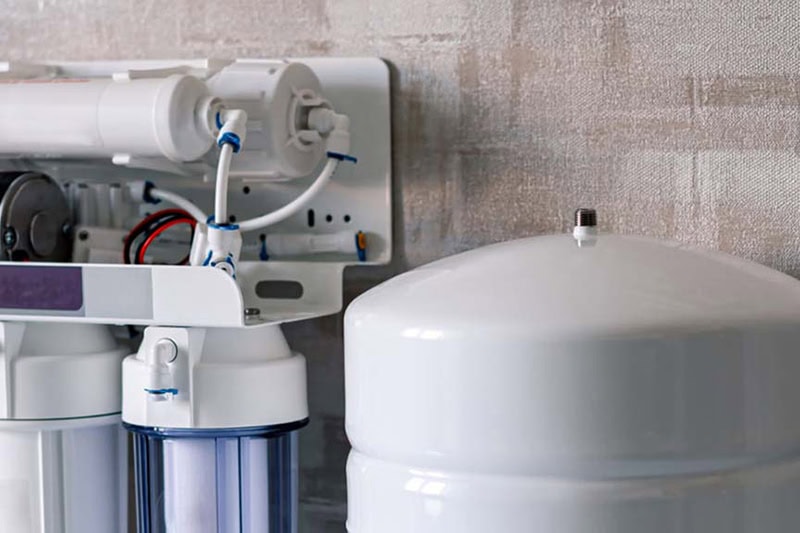
A reverse osmosis system is a point-of-use solution, most often installed under the kitchen sink to provide filtered water for drinking and cooking. Before recommending a system, we look at your water concerns, your space, and how the system will connect to your plumbing.
What Is a Reverse Osmosis System?
Reverse osmosis, often called RO, pushes water through a semi-permeable membrane with very small pores. Water molecules pass through, while many dissolved minerals and contaminants are held back and rinsed to the drain. The result is filtered water that is stored in a small tank or delivered on demand to a dedicated faucet.
Most residential systems use several stages. A typical setup includes:
- Sediment prefilter to capture sand, rust, and particles that could clog the membrane
- Carbon prefilter to reduce chlorine and other compounds that affect taste and can damage the membrane
- RO membrane that removes a large share of dissolved solids
- Carbon post-filter to polish the taste before water reaches the faucet
Some systems also include a remineralization stage that adds a small amount of calcium or magnesium back for taste.
Why Orlando Homeowners Choose Reverse Osmosis
Many households install RO because of taste and odor rather than safety concerns. Common reasons include:
- A chlorine or "pool" taste or smell in tap water
- High mineral content from Central Florida's limestone aquifer
- Wanting an alternative to buying and carrying bottled water
- Better-tasting coffee, tea, ice, and cooking water
- Concerns about older plumbing fixtures or service lines in the home
- Homes on private wells that need an extra layer of treatment at the tap
What Can Reverse Osmosis Reduce?
Reverse osmosis is effective at reducing total dissolved solids and many contaminants. Depending on the system and its certifications, RO can reduce contaminants such as lead, arsenic, nitrates, fluoride, sodium, and many others. Results vary by system and water conditions.
Look for systems certified to NSF/ANSI Standard 58, which covers reverse osmosis drinking water systems. Certification lists the specific contaminants a system was tested to reduce, so check that the certification covers the issues you care about. If you have a specific health concern, a water test is the best place to start.
Reverse Osmosis vs. Water Softeners and Whole-House Filters
These systems solve different problems and are often used together:
- A reverse osmosis system treats water at a single tap for drinking and cooking.
- A water softener removes hardness minerals from all the water in the home to prevent scale on fixtures, appliances, and water heaters.
- A whole-house filter reduces sediment, chlorine taste, and odor throughout the home.
In hard water areas like Orlando, a softener can also extend the life of an RO membrane by reducing the minerals that would otherwise build up on it. If hard water scale is a problem throughout your home, see our water softener installation in Orlando. You can also learn about our whole-house water filtration options.
Tank vs. Tankless Reverse Osmosis Systems
Systems With a Storage Tank
Traditional RO systems fill a small pressurized tank under the sink so filtered water is ready when you open the faucet. They are widely available and dependable, but the tank takes up cabinet space and flow slows as the tank empties.
Tankless Reverse Osmosis Systems
Tankless systems filter water on demand and usually take up less space. Many use less wastewater than older designs, but they need an electrical outlet under the sink and cost more up front.
We explain which design fits your cabinet space, water use, and budget.
Where Is a Reverse Osmosis System Installed?
Most RO systems are installed under the kitchen sink with a dedicated faucet on the countertop or sink deck. The system can also supply water to a refrigerator's water and ice dispenser with an additional line. Installation typically includes:
- Connecting to the cold water supply line
- Installing the dedicated drinking water faucet
- Connecting the drain line to the sink drain
- Mounting the filter housings and storage tank, if used
- Running a line to the refrigerator, if requested
- Flushing the new filters and checking for leaks
Reverse Osmosis Maintenance and Filter Changes
An RO system only performs well when the filters and membrane are maintained. Prefilters and post-filters are typically replaced on a regular schedule, often every six to twelve months, and membranes usually last longer. Actual intervals depend on the system, your water quality, and how much water you use.
Signs that filters may be overdue include slower flow from the RO faucet, a change in taste, or a system that runs to the drain more than it should. Routine water treatment maintenance keeps the system working as intended.
Common Reverse Osmosis Problems We Repair
- Slow flow or low pressure from the RO faucet
- Water running to the drain constantly
- Leaks at filter housings, fittings, or the faucet
- Bad taste or odor after filters were changed
- A storage tank that will not hold pressure
- Noise from the drain line or air gap faucet
Many problems involve worn filters, a failed check valve, or tank pressure. We will explain whether a repair, filter service, or replacement makes the most sense.
What Happens During Reverse Osmosis Installation?
1. We Review Your Water Concerns
We start with what you want to improve, such as taste, odor, or specific contaminants, and whether your home is on city water or a well.
2. We Check the Installation Space
We look at the sink cabinet, the cold water supply, the drain, and whether a refrigerator connection is needed.
3. We Recommend a System
We explain the system options, including tank or tankless design, certifications, and the expected filter maintenance.
4. We Install the System
We connect the system to the water supply and drain, install the faucet, and run any additional lines you need.
5. We Flush and Test
We flush the filters, check every connection for leaks, and show you how to tell when filters need to be changed.
Reverse Osmosis Service for Orlando Homeowners
We install and service reverse osmosis systems for homes in Orlando and nearby communities, including Winter Park, Dr. Phillips, Bay Hill, Lake Mary, Longwood, Altamonte Springs, Sanford, and the surrounding areas. Water treatment is part of our full range of Orlando plumbing services. You can also learn more about our general reverse osmosis services.
Why Choose Hers & His Plumbing for Reverse Osmosis in Orlando?
Hers & His Plumbing has licensed and certified plumbers who install the system and connect it correctly to your water supply and drain. We explain your options in plain terms, help you choose a system that fits your water and your kitchen, and back our work with a 100 percent satisfaction guarantee. Financing is available with approved credit.
Schedule Reverse Osmosis Installation in Orlando, FL
If you want better-tasting drinking water without buying bottled water, contact Hers & His Plumbing to schedule a reverse osmosis consultation in Orlando.
Frequently Asked Questions About Reverse Osmosis in Orlando
Is reverse osmosis worth it in Orlando?
For many households, yes. RO improves the taste of drinking and cooking water and reduces dissolved solids and many contaminants. It is most useful when you want better water at the kitchen tap rather than treatment for the whole home.
Does reverse osmosis remove chlorine?
The carbon filters in a typical RO system reduce chlorine taste and odor, and the carbon stage also protects the membrane from chlorine damage.
Do I need a water softener with a reverse osmosis system?
It is not required, but in hard water areas a softener can help protect the RO membrane from mineral buildup and also prevents scale throughout the rest of the home.
How often should RO filters be changed?
Prefilters and post-filters are often changed every six to twelve months, and the membrane less often. The right schedule depends on the system, your water, and how much water you use.
Can a reverse osmosis system connect to my refrigerator?
Yes. Many systems can supply the refrigerator's water dispenser and ice maker with an additional line.
Does reverse osmosis waste water?
RO systems send some water to the drain to rinse away what the membrane removes. Newer designs are more efficient than older systems, and we can explain the wastewater ratio of the systems we recommend.