
Spring Plumbing Checklist for Atlanta Homeowners
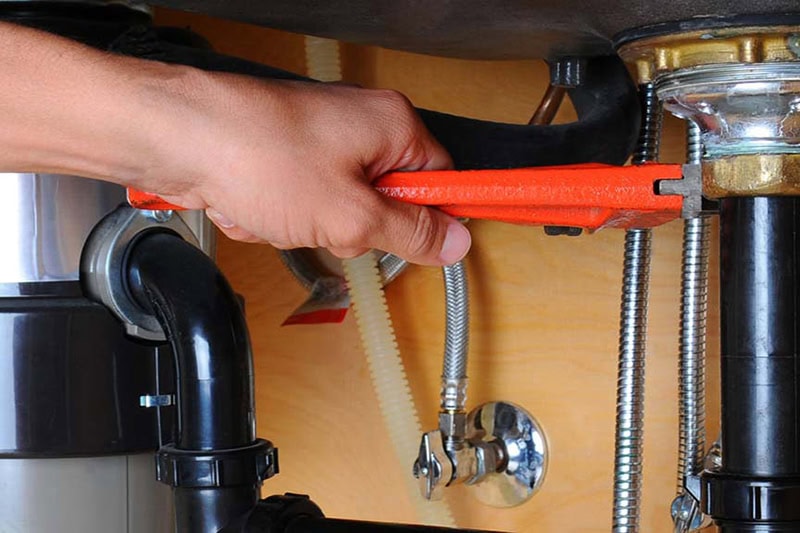
As warmer weather returns to Atlanta, spring is a good time to check the parts of your plumbing system that may have gone unnoticed during winter. Small leaks, slow drains, water heater issues, damaged outdoor faucets, and sewer problems can become much more expensive when they are allowed to continue.
This spring plumbing checklist from Hers & His Plumbing can help Atlanta homeowners identify potential problems early and prepare their plumbing for the months ahead.
1. Check for Leaks Around Your Home
Start by checking under kitchen and bathroom sinks, around toilets, near your water heater, and around appliances that use water. Look for active dripping, moisture, staining, warped cabinet materials, or water collecting where it should not be.
Even a small leak can waste water and may eventually damage cabinets, flooring, drywall, or surrounding materials. If you find a leak you cannot easily identify, Hers & His Plumbing provides professional
residential plumbing services
for Atlanta homeowners dealing with plumbing problems throughout the home.
2. Inspect Outdoor Faucets and Hose Bibs
Outdoor plumbing deserves attention after winter, even in Atlanta’s relatively mild climate. Cold snaps can damage exposed hose bibs, fittings, and supply lines.
Turn each outdoor faucet on and watch both the fixture and the area where the pipe enters the house. Reduced flow, unexpected dripping, water appearing inside the wall, or moisture near the foundation can indicate damage that should be addressed before outdoor water use increases during spring and summer.
3. Pay Attention to Changes in Water Pressure
A noticeable change in water pressure can sometimes provide an early warning that something in the plumbing system needs attention. Low pressure may be associated with mineral buildup, a partially closed valve, fixture problems, supply issues, or a hidden leak.
Unusually high pressure can also place additional stress on plumbing fixtures, valves, appliance connections, and supply lines.
If pressure has changed throughout the entire home rather than at one faucet, having the plumbing system evaluated can help determine whether the issue is isolated or affecting the main water supply.
4. Check Your Water Heater
Spring is also a good opportunity to look over your water heater. Check around the unit for moisture, corrosion, unusual noises, or signs that hot-water performance has changed.
Sediment can accumulate inside tank-style water heaters over time and may contribute to reduced performance or unusual popping and rumbling sounds. Maintenance requirements depend on the equipment and water conditions, so homeowners should follow the manufacturer’s recommendations rather than assuming every system needs the same service schedule.
If your system is leaking, producing inconsistent temperatures, running out of hot water too quickly, or becoming unreliable, Hers & His Plumbing provides
water heater repair, replacement, and installation services.
5. Clean and Maintain Your Drains
A drain that becomes progressively slower is often easier to address before it becomes completely blocked. Bathroom drains commonly collect hair and soap residue, while kitchen drains can develop buildup from grease, food particles, and other debris.
- Avoid pouring cooking grease or oil down kitchen drains
- Use drain strainers to catch hair and food debris
- Do not treat the toilet as a disposal for wipes or household products
- Pay attention when multiple drains begin slowing at the same time
Persistent or recurring clogs may require more than a household drain cleaner. Hers & His Plumbing provides professional
drain cleaning services
to diagnose and clear difficult plumbing blockages.
6. Inspect Toilets for Hidden Leaks
A toilet can waste water without leaving an obvious puddle on the floor. Listen for toilets that continue running after the tank should have refilled, and check whether the toilet occasionally refills even when nobody has used it.
One simple test is to place a few drops of food coloring in the tank and wait without flushing. If colored water appears in the bowl, water may be leaking past the flapper or another tank component.
Also check around the toilet base for movement, moisture, staining, or damaged flooring, which can indicate a different type of plumbing problem.
7. Watch for Sewer Line Warning Signs
Spring rain and increased household water use can make existing drainage problems more noticeable. A main sewer problem often affects more than one fixture at the same time.
Warning signs can include:
- Several drains becoming slow at once
- Gurgling toilets or drains
- Sewage or sewer-gas odors
- Water backing up into tubs or showers
- Repeated drain clogs
- Unusually wet or lush areas of the yard
If your home has recurring sewer problems, learn more about
sewer line maintenance
and
sewer repair.
8. Check Exposed Pipes and Plumbing Connections
Look at accessible piping under sinks, in utility areas, garages, crawl spaces, and around the water heater. Check for corrosion, discoloration, moisture, damaged fittings, or other visible changes.
A pipe does not need to be actively spraying water to deserve attention. Slow leaks and deteriorating connections can remain unnoticed for long periods before causing significant damage.
If you discover damaged piping, Hers & His Plumbing also provides
pipe repair and replacement.
9. Review Your Water Usage
An unexplained increase in your water bill can sometimes be one of the first signs of a hidden plumbing problem. Compare recent bills with similar periods from previous years and consider whether household usage has actually changed.
If usage has increased significantly without an obvious reason, check toilets, faucets, irrigation connections, appliance supply lines, and other accessible plumbing for leaks.
The U.S. Environmental Protection Agency’s
WaterSense program
also provides information about household water efficiency and identifying unnecessary water use.
10. Schedule Plumbing Service Before a Small Problem Becomes an Emergency
You do not need to wait for water to be pouring through a ceiling or sewage to back up into a bathtub before calling a plumber. Persistent dripping, recurring clogs, unexplained pressure changes, unusual water heater behavior, and signs of pipe deterioration are all worth investigating before they become larger problems.
Preventative plumbing service can also be useful for older homes, properties with a history of plumbing repairs, and homeowners preparing for renovations or increased seasonal water use.
Spring Plumbing Maintenance for Atlanta Homeowners
Atlanta’s spring season brings warmer temperatures, increased rainfall, outdoor water use, and changing demands on household plumbing. Taking a few minutes to inspect your fixtures, drains, water heater, exposed piping, toilets, and sewer warning signs can help identify problems while they are still manageable.
For homeowners who need professional help, Hers & His Plumbing provides plumbing repair, drain cleaning, pipe repair, water heater service, sewer solutions, and other residential plumbing services throughout the Atlanta area.
Visit our
Atlanta plumbing services
page to learn more about local service, or contact Hers & His Plumbing to schedule an appointment.