
Toilet Repair & Replacement in Orlando, FL
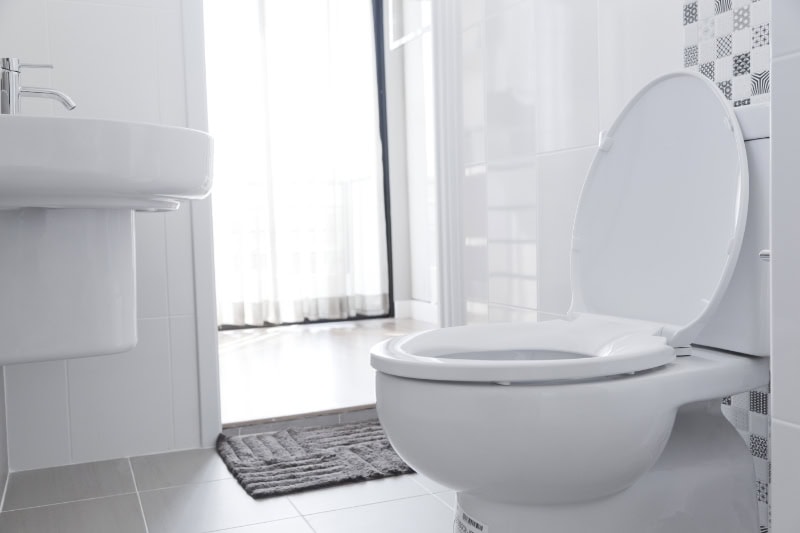
Toilet Repair for Orlando Homes
A toilet that runs constantly, flushes weakly, clogs often, or leaks at the base is more than an annoyance. A running toilet can waste a significant amount of water, and a leak at the base can damage flooring and subfloor before it is noticed. Hers & His Plumbing provides toilet repair and replacement in Orlando, FL, from replacing worn tank parts to installing new, water-efficient toilets.
Many toilet problems can be fixed by replacing a single component. When the toilet itself is cracked, outdated, or repeatedly failing, replacement can be the better value. We explain the options before any work begins.
Common Toilet Problems We Repair
A Toilet That Keeps Running
A running toilet usually points to a worn flapper that no longer seals, a fill valve that does not shut off, a misadjusted float, or a chain that is too short or tangled. Left alone, a running toilet can add noticeably to your water bill.
Weak or Incomplete Flushes
A weak flush can be caused by a low water level in the tank, a flapper that closes too early, a partial clog, or mineral buildup in the rim jets and siphon jet. Hard water in Central Florida makes mineral buildup in toilets common.
Frequent Clogs
Occasional clogs happen. Frequent clogs can point to a low-performing older toilet, a partial obstruction in the trap, or a problem further down the drain line.
Leaking at the Base
Water around the base of the toilet often means the wax ring seal has failed or the toilet is loose on the flange. This should be addressed quickly because it can damage the floor and subfloor.
Tank Leaks
Leaks can come from the tank-to-bowl gasket, tank bolts, the supply line, or the shutoff valve. A cracked tank usually requires replacement.
Phantom Flushing
If the toilet refills on its own every so often, water is slowly leaking from the tank into the bowl, usually past a worn flapper.
A Rocking or Loose Toilet
A toilet that moves when you sit on it can break the wax seal and cause leaks. The cause may be loose bolts, an uneven floor, or a damaged flange.
Sewer Odors
A sewer smell near the toilet can indicate a failed wax ring, a dry or damaged seal, or a venting issue.
How to Check for a Silent Toilet Leak
Put a few drops of food coloring in the toilet tank and wait about fifteen minutes without flushing. If color appears in the bowl, water is leaking past the flapper, and the toilet is wasting water even when it seems quiet.
Repair or Replace Your Toilet?
Repair usually makes sense when the problem is a flapper, fill valve, flush valve, wax ring, supply line, or a loose mounting. Replacement is often the better choice when:
- The tank or bowl is cracked
- The toilet clogs frequently despite repairs
- It is an older, high-volume model that uses far more water per flush
- Replacement parts are hard to find or keep failing
- You are remodeling or want a more comfortable height or design
Water-Efficient Toilet Replacement
Federal standards limit new toilets to 1.6 gallons per flush, and many newer models use less. Toilets that earn the EPA's WaterSense label use no more than 1.28 gallons per flush while meeting performance standards. Older toilets can use considerably more water with every flush, so replacing an aging toilet can lower water use without sacrificing performance.
When choosing a new toilet, we can help you consider:
- Flush performance and water use
- Bowl shape, such as elongated or round front
- Height, including comfort or chair-height models
- One-piece or two-piece design
- Rough-in size, the distance from the wall to the drain, which determines which toilets will fit
Toilet Installation
A proper installation helps prevent leaks and wobbling. Toilet replacement typically includes removing the old toilet, inspecting the flange, installing a new wax ring or seal, setting and leveling the toilet, connecting a new supply line, and testing for leaks and proper flushing.
When a Toilet Problem Is Really a Drain Problem
If the toilet backs up while other drains are also slow, water rises in the tub when you flush, or the toilet gurgles, the problem may be in the main drain or sewer line rather than the toilet. In those cases, drain cleaning and hydro jetting in Orlando or sewer line repair in Orlando may be needed.
What Happens During a Toilet Repair Visit?
1. We Review the Problem
We start with what you are noticing, such as running, leaking, weak flushes, or clogs.
2. We Inspect the Toilet
We check the tank components, seals, supply line, shutoff valve, and how the toilet is mounted.
3. We Explain Repair or Replacement
We explain what failed and whether a repair or a new toilet makes more sense.
4. We Complete the Work
Once approved, we replace the failed parts or install the new toilet.
5. We Test the Repair
We flush and refill the toilet several times and check for leaks at the tank, base, and supply connection.
Toilet Repair for Orlando Homeowners
We repair and replace toilets for homes in Orlando and nearby communities, including Winter Park, Dr. Phillips, Bay Hill, Lake Mary, Longwood, Altamonte Springs, Sanford, and the surrounding areas. Toilet repair is part of our full range of Orlando plumbing services. Hard water scale is a common cause of weak flushes in Central Florida, so you may also want to learn about water softener installation in Orlando. You can also read more about our general toilet repair services.
Why Choose Hers & His Plumbing for Toilet Repair in Orlando?
Hers & His Plumbing has licensed and certified plumbers who fix the cause of the problem, not just the symptom. We explain your options in plain terms, give you the price before work begins, and back our work with a 100 percent satisfaction guarantee.
Schedule Toilet Repair in Orlando, FL
If your toilet keeps running, leaks at the base, or clogs too often, contact Hers & His Plumbing to schedule toilet repair or replacement in Orlando.
Frequently Asked Questions About Toilet Repair in Orlando
Why does my toilet keep running?
A worn flapper, a fill valve that does not shut off, a misadjusted float, or a tangled chain are the most common causes. Most are repaired by replacing the faulty part.
Why is water leaking around the base of my toilet?
The wax ring seal has usually failed or the toilet has come loose from the flange. It should be repaired promptly to protect the floor.
Why does my toilet clog so often?
Older low-performing toilets, a partial obstruction in the trap, or a problem in the drain line can cause frequent clogs. If other drains are also slow, the main line may be the cause.
Should I repair or replace an old toilet?
Replace it if the tank or bowl is cracked, it clogs frequently, or it is an older high-volume model. Otherwise, many problems can be fixed with new parts.
How much water does a running toilet waste?
It depends on the leak, but a constantly running toilet can waste a large amount of water each day, which is why it is worth fixing quickly.
What is a WaterSense toilet?
A WaterSense labeled toilet uses no more than 1.28 gallons per flush and meets EPA performance criteria, helping reduce water use compared with older models.